
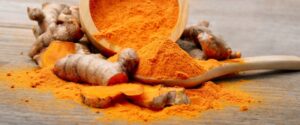
If you’ve spent time scrolling through social media or DIY health blogs, you may have seen claims that turmeric can naturally whiten teeth. Considering turmeric’s bright yellow color, this might sound surprising. So, can this popular spice really brighten your smile or is it just another internet trend?
Let’s take a closer look.
Why Do People Use Turmeric for Teeth?
Turmeric is well known for its anti-inflammatory and antibacterial properties. It has been used for centuries in traditional medicine and is often praised for promoting overall wellness.
Some people believe that brushing with turmeric powder can help remove surface stains, reduce plaque, and support gum health. Because it’s a natural product, it’s often viewed as a safer alternative to chemical whitening treatments.
Does Turmeric Actually Whiten Teeth?
There is very limited scientific evidence proving that turmeric can significantly whiten teeth. While turmeric may help reduce bacteria in the mouth and potentially improve gum health, it does not contain bleaching agents like hydrogen peroxide, the key ingredient in professional whitening treatments.
At best, turmeric may help remove minor surface stains through gentle abrasion when brushed onto teeth. However, it is unlikely to change the natural shade of your enamel or address deeper discoloration.
Will Turmeric Stain My Teeth?
Ironically, turmeric is known to stain fabrics, countertops, and even skin. Fortunately, enamel is much harder and less porous than these surfaces. When used occasionally and rinsed thoroughly, turmeric is unlikely to permanently stain healthy teeth.
That said, overuse or improper rinsing could leave temporary yellow residue, especially around dental restorations or rough enamel areas.
Is It Safe to Try?
Using turmeric occasionally is generally considered low risk, but it should not replace proven oral hygiene practices. Brushing twice daily with fluoride toothpaste, flossing regularly, and attending routine dental visits remain the foundation of a healthy smile.
If you decide to try turmeric, use it gently and avoid aggressive brushing, which can wear down enamel over time.
What Works Better for Whitening?
If your goal is noticeable whitening, professional treatments or dentist-supervised take-home kits are far more predictable and effective. These options use safe, tested ingredients that can lighten both surface and deeper stains.
Over-the-counter whitening products may also provide gradual improvement for mild discoloration.
Turmeric may offer some antibacterial benefits, but it is unlikely to dramatically whiten your teeth. While it’s not necessarily harmful when used cautiously, it shouldn’t be relied on as a primary whitening solution. For brighter, longer-lasting results, consult your dentist about safe and effective whitening options tailored to your smile.
About the Author
Dr. Andrew Hale earned his dental degree from Case Western Reserve University, followed by serving as an active duty dental officer in the U.S. Air Force for 3 years. He then practiced in the El Paso area before making his way to Vermont. Over the course of his career, Dr. Hale has taken over 300 hours of continuing education, including courses on dental implants, complex extractions, PRF/PRP therapy, and digital dentistry. He also stays up to date on the latest findings in dentistry through his membership in the American Dental Association. If you’d like a glow-up for your smile, book online or call (802) 223-2244.